1. Quick call, clear plan
You tell the team what was found and where. It explains how the sweep will go and what access it needs.
Marshall, TX · Harrison County
One needle usually means there could be more. In Marshall, call (877) 812-4220 for a careful sweep of the property, safe collection of every sharp and cleaning of the surfaces they lay on.
If anyone is in danger, call 911 first. For a suicide crisis, call or text 988.
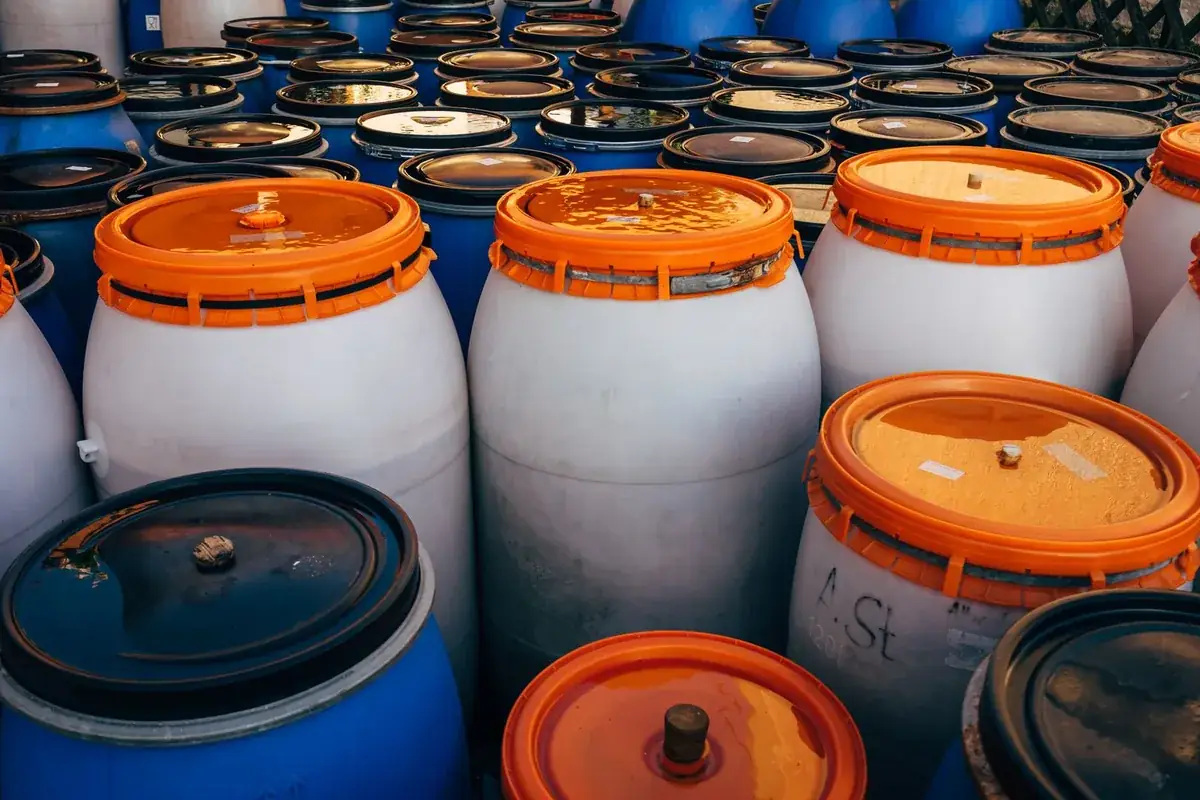
Used needle disposal means placing needles and syringes into rigid containers made to resist punctures, then sending them to a facility that treats medical waste. It keeps workers, children and pets safe.
Treat a found needle in Marshall as a safety problem first, and call Marshall Biohazard Cleanup Help for help anywhere in Harrison County. The team keeps people clear, collects sharps into sealed containers and disinfects any surface that came into contact with them, so your property is safe again.
Tell the Marshall-Harrison County Health District if needles are showing up repeatedly in Harrison County. A cleanup team can sweep private property while the office looks at the bigger picture. Tell the doctor where the needle was found. The nearest emergency room to Marshall is Longview Regional Medical Center, about 20 miles away.
The work often covers:
You tell the team what was found and where. It explains how the sweep will go and what access it needs.
Cleanup technicians wear puncture-resistant gloves, eye protection and boots for the sweep.
Sharps go into labeled containers without being recapped, bent or picked up by hand.
After the last walk-through, the owner can reopen the area to tenants, customers or family.
The cost of needle & sharps cleanup in Marshall, TX depends on the amount of material, how it is packed and how it is hauled.
The number of sharps matters because each needle must be found, lifted and sealed, and large amounts mean more containers and more disposal.
| Type of job | Typical range |
|---|
Estimates only, not a quote. Sources: . Price drivers include number of items, where they are found, whether a sweep of a large area is needed, waste disposal. Call (877) 812-4220 to talk through the job.
It is a rigid, puncture-resistant box with a locking lid, made to hold needles, syringes, lancets and blades. Cleanup teams use them to seal sharps for transport. Containers should not be overfilled or opened again once locked.
Loose needles should not go in household trash, because they can stab sanitation workers. Rules for small amounts of household sharps vary by city and county. The local health department can say what is allowed, and a cleanup team can take larger amounts.
Yes, because children may pick up what they find. Teach children to stay back from any needle and tell an adult. If a child touches or is stuck by a needle, wash the area, get medical care and call Poison Control.
A local biohazard cleanup team can search the area and remove needles and other sharps. Some cities and health departments also help with found needles on public land. For a single needle outdoors, the health department is a good first call, and for anything bigger, a cleanup team.
No. This page explains how needle and sharps cleanup works. It is not medical, legal or insurance advice. For exposure or symptoms, contact a doctor or Poison Control, and for local programs ask the health department.
Yes. Insulin pen needles, lancets and similar small devices are sharps, even though they are used for health care. They should go into a rigid container, never loose into trash.
Describe what you saw and where, and the team will explain the next step.
Call (877) 812-4220